The Pressure to “Feel Better” When the Weather Changes
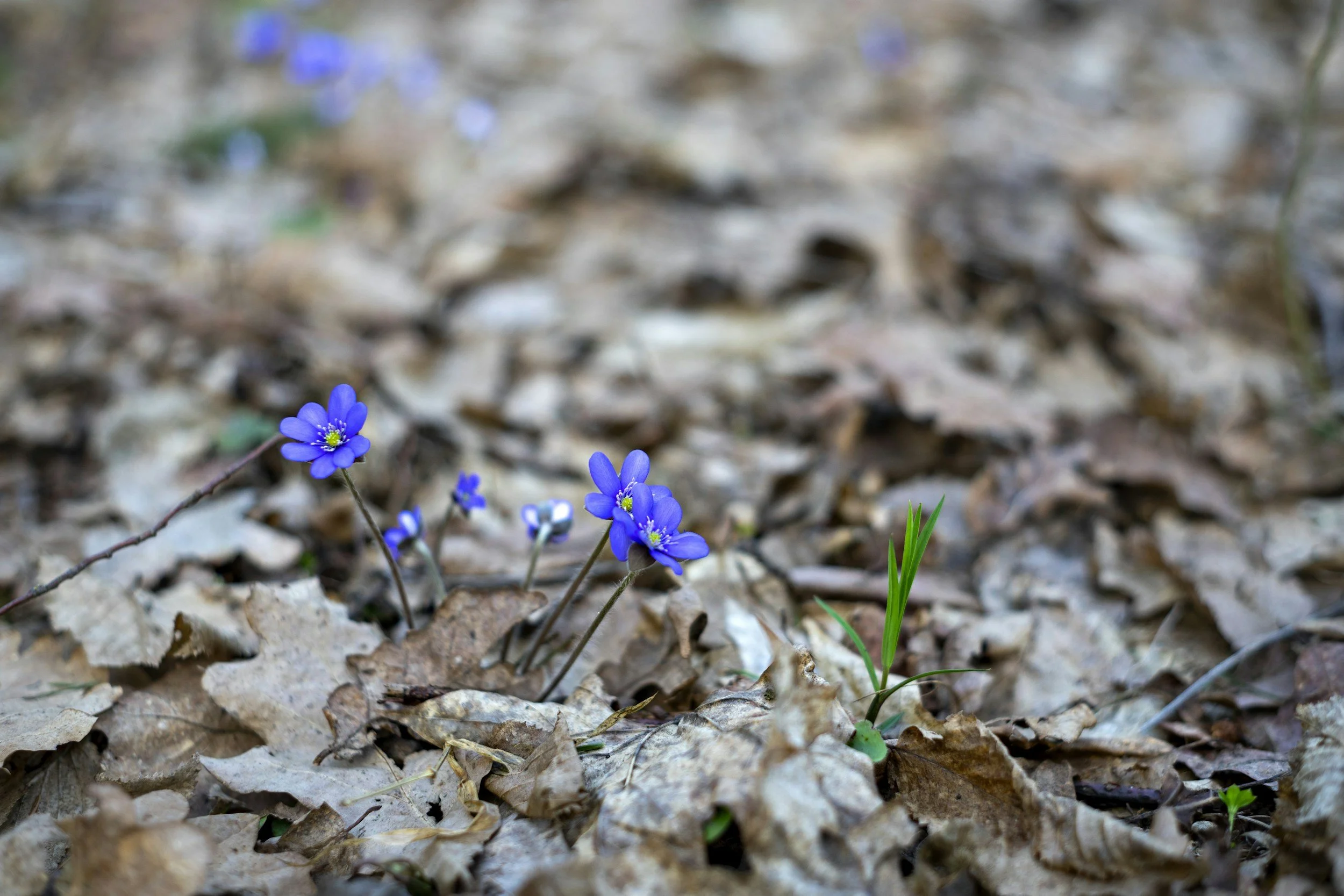
As the days start to get longer and the weather slowly shifts, there’s often an unspoken expectation that our mood should shift too. Winter is ending, spring is coming, and we’re supposed to feel lighter, more motivated, more hopeful.
But for a lot of people, that’s not how it goes.
If you’re noticing that you don’t suddenly feel better just because the sun is out a little longer, there’s nothing wrong with you. Emotional change doesn’t always move at the same pace as the seasons.
When the Outside World Feels Ahead of the Inside One
Spring tends to come with a lot of messages about renewal and fresh starts. You might hear people talking about having more energy, wanting to be outside, or finally feeling like themselves again. And while that can be true for some, it can also create pressure for others. Some people also experience positive emotional shifts in the dark winter months and find that their mood tends to lower as the weather becomes warmer.
You might find yourself thinking:

“Why don’t I feel better yet?”
“Everyone else seems to be coming back to life—what’s wrong with me?”
“I should be happier now.”
That “should” can be heavy. It can turn a neutral or even tender emotional state into something layered with shame or frustration.
Why Spring Can Actually Feel Hard
For some people, spring brings more change than relief. Routines shift, expectations increase, social invitations start picking up again, etc. The structure (and sometimes protection) of winter fades, and with that can come anxiety, grief, or a sense of exposure.
There’s also the reality that winter may have required a lot of emotional survival. When things finally slow down or open up, feelings that were pushed aside can surface. Grief, burnout, loneliness, or exhaustion don’t automatically disappear just because the weather changes.
Your nervous system doesn’t follow the calendar. It responds to what you’ve been through.
You’re Allowed to Move at Your Own Pace
It’s okay if your energy comes back slowly. It’s okay if spring feels neutral, confusing, or even sad. You don’t need to rush yourself into optimism or productivity to prove that you’re “doing better.”

Sometimes the most supportive thing you can do is notice the pressure you’re under to feel a certain way and invite yourself to gently step out of it rather than trying to force a change.
That might look like:
Letting yourself enjoy small moments without expecting a full emotional shift
Keeping routines that help you feel steady, even as the season changes
Saying no to things that feel like too much, even if the weather is nice
Reminding yourself that healing and energy return in waves, not all at once
How Therapy Can Help With Seasonal Pressure
This time of year often brings questions like, “Why am I still struggling?” or “Shouldn’t I be past this by now?” Therapy can offer a space to slow those questions down and approach them with curiosity rather than judgment.
It can help you explore what spring brings up for you personally—past experiences, unmet expectations, or patterns of pushing yourself too hard when things are “supposed” to be easier. Instead of forcing change, therapy can help you listen to what your system actually needs as it transitions.
A Final Thought
If you’re not feeling better yet, try to meet yourself where you are. Your pace is allowed. Your experience makes sense. And change, when it comes, doesn’t need to be rushed.